FREE SHIPPING ON ORDERS OVER $100
hello@theneighborhoodeyedoctor.com

Cystoid Macular Edema (CME)
Cystoid Macular Edema (CME) is a condition that causes swelling in the central retina after cataract surgery or other eye conditions. Learn about its symptoms, diagnosis using OCT and fluorescein angiography, treatment options including anti inflammatory drops and injections, and why most patients recover with proper care.
Dr.Ukegbu
2/26/20262 min read
Cystoid Macular Edema (CME)
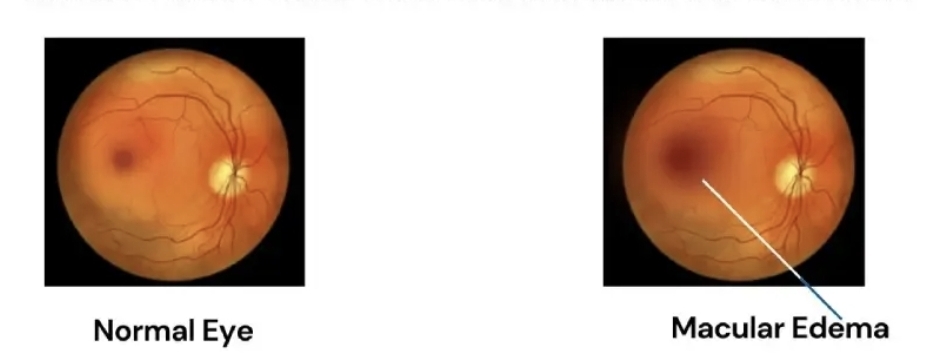
Cystoid Macular Edema, commonly referred to as CME, is a condition in which fluid accumulates in the macula, the central portion of the retina responsible for sharp, detailed vision. The macula allows us to read, recognize faces, and see fine details. When swelling develops in this area, vision can become blurred or distorted.
What Is Cystoid Macular Edema?
Macular edema refers to swelling caused by fluid leakage into the macula. In CME, this fluid collects in small, cyst like spaces within the retinal layers. These tiny pockets of fluid are often visible to eye care specialists during examination.
CME is typically diagnosed using advanced imaging tools such as:
Optical Coherence Tomography (OCT), which provides cross sectional images of the retina and clearly shows cystic spaces.
Fluorescein Angiography, a dye based imaging test that highlights leakage from retinal blood vessels.
The presence of these small fluid filled cysts is what gives the condition its name, cystoid macular edema.
When Does CME Occur?
CME most commonly develops within several months after cataract surgery. Although cataract surgery is highly successful and safe, inflammation after surgery can sometimes lead to fluid accumulation in the macula.
If CME develops in one eye following cataract surgery, there is approximately a 50 percent chance it may also occur in the second eye after surgery. Fortunately, in most cases, CME resolves on its own and vision gradually returns to normal.
Symptoms of CME
Patients with CME may experience:
Blurred or decreased central vision
Distorted or wavy vision
Reduced contrast sensitivity
Difficulty reading or focusing on fine detail
Some patients may notice only mild visual changes, while others may experience more significant visual disturbance.
How Is CME Treated?
In many cases, CME improves without intervention. However, if swelling persists or vision does not return to normal, treatment may be necessary.
Treatment typically begins with anti inflammatory eye drops, including:
Nonsteroidal anti inflammatory drops, often referred to as anti prostaglandin medications
Steroid eye drops
These medications help reduce inflammation and fluid leakage. Many patients respond well to this initial therapy.
If eye drops are not sufficient, additional treatments may include:
Steroid injections around or into the eye
Anti VEGF medications to reduce vascular leakage
Vitrectomy surgery in more resistant cases
The choice of therapy depends on the severity of the edema, the underlying cause, and the patient’s overall eye health.
Ongoing Research and Outlook
Significant research is underway to better understand the causes of macular edema, including CME, and to develop more targeted treatments. Advances in imaging and medication continue to improve outcomes for patients.
The reassuring news is that most patients who develop cystoid macular edema recover fully, with resolution of the fluid and restoration of normal vision.
Important Notice:
The information provided here is for educational purposes only. Diagnosis and treatment should always be based on a comprehensive eye examination and recommendations from a qualified eye care professional. If you experience changes in your vision following cataract surgery or at any time, schedule an appointment promptly for evaluation.