FREE SHIPPING ON ORDERS OVER $100
hello@theneighborhoodeyedoctor.com

Dry Eye
Dry eye syndrome can cause irritation, excessive watering, and blurred vision. Learn about symptoms, risks if left untreated, and effective treatment options to protect your eye health.
Dr.Ukegbu
2/26/20262 min read
Dry Eye Information
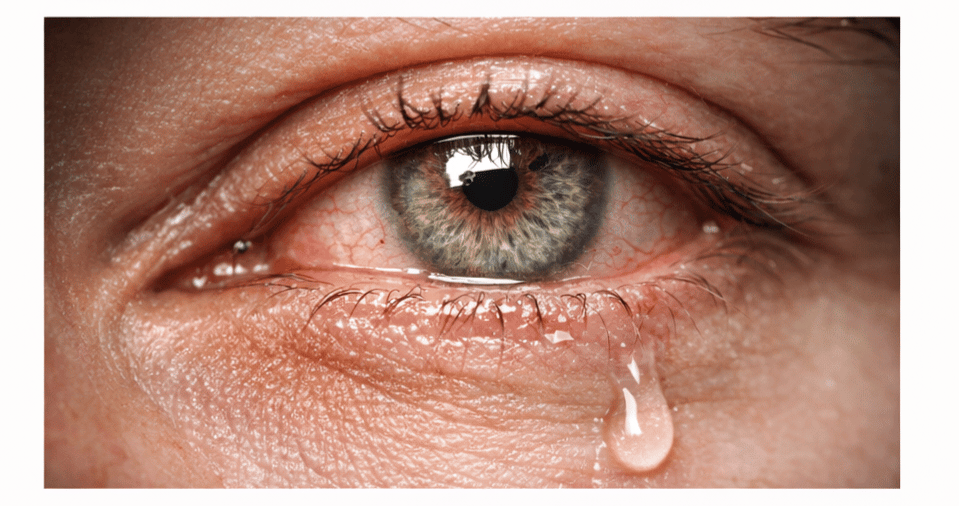
Excessive watering as the eyes try to comfort or overly dry eye
Eyes that seem to have lost the normal clear glassy luster
If untreated, dry eye can be more than just irritated or uncomfortable.
Excessive dry eye can damage eye tissue and possibly scar the cornea, the transparent film
covering of the eye, impairing vision. Contact lens wear may be more difficult due to the
possibility of irritation and greater chance of eye infection.
If you are experiencing the symptoms of dry eye, your optometrist can perform “dry eye”
tests using diagnostic instruments to give highly magnified views and special dyes to
evaluate the quality, amount, and distribution of tears. Your Optometrist will also need to
know about your everyday activities, your general health, medications you are taking and
about environmental factors that may be causing your symptoms.
Unfortunately, dry eye cannot be cured, but your eyes sensitivity can be lessened and
treatment prescribed so that your eyes remain healthy and your vision is not affected.
Possible treatments include:
Frequent blinking to spread over the eye, especially when using a steady focus for an
extended period of time.
Changing environmental factors, like avoiding wind and dust and increasing the level of
humidity.
Using artificial tear solutions.
Insertion of small plugs in the corner of the eyes to slow drainage and loss of tears.
In rare cases. Surgery may be recommended.
Whatever treatment is prescribed for you, it is very important that you follow your
Optometrist’s instructions carefully. Dry eye does not go away, but by working together
with your doctor, you can keep your eyes healthy and protect your good vision.
DRY EYE
The natural tears that your eyes produce is composed of three layers:
- Outer lipid layer
- Middle water/aqueous layer
- Inner mucus layer
Dry eye is the term used to describe an eye that does not produce enough tears or tears
with an improper chemical position in any of these layers.
Dry eye is the most often result of the eye’s natural aging process. Most people’s eyes tend
to become drier as they age, but the degree of dryness varies and some people have more
problems than others. In addition to age, dry eye can result from:
- Problems with normal blinking
- Certain medications like antihistamines, Oral contraceptives and antidepressants
- Environmental factors like dry eye climate and exposure to wind
- General health problems like arthritis or Sjogren’s syndrome
- Chemical or thermal burns to the eye.
Dry eye symptoms are often different in different people, but the following are commonly
experienced by those who tear production is inadequate:
- Irritated, scratchy, dry or uncomfortable eyes
- Redness of the eyes.
- A burning sensation of the eyes.
- A feeling of a foreign body in the eye.
“WHERE YOUR VISION IS OUR MISSION”