FREE SHIPPING ON ORDERS OVER $100
hello@theneighborhoodeyedoctor.com

How Can Diabetes Affect Your Eyes? Risks, Warning Signs, and Prevention
Learn how diabetes impacts eye health, early warning signs of diabetic eye disease, recommended exam schedules, and steps you can take to protect your vision.
Dr.Ogechi Ukegbu
1/25/20261 min read
How Can Diabetes Affect Your Eyes? Risks, Warning Signs, and Prevention
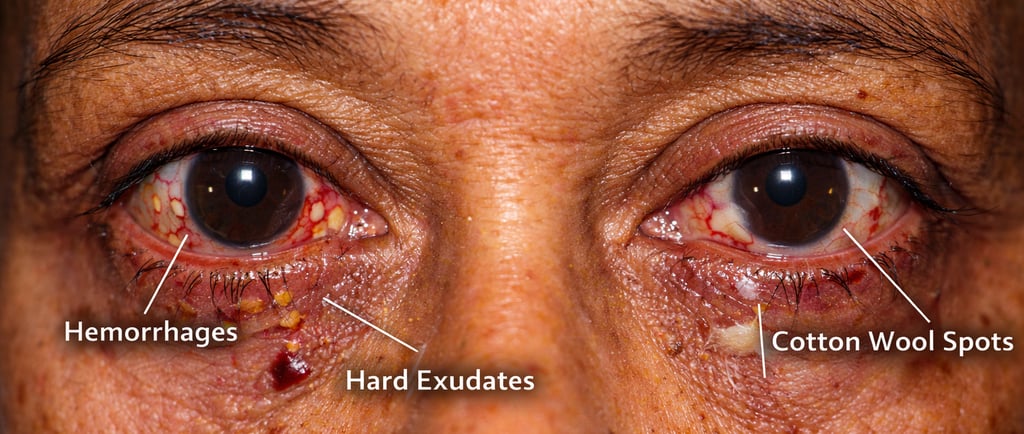
Diabetes can affect many parts of the body, including the eyes. Elevated blood sugar levels can damage the small blood vessels in the retina, potentially leading to serious vision problems if not detected early.
Symptoms
Early stages may not cause noticeable symptoms. As the condition progresses, you may experience:
Blurred or fluctuating vision
Dark spots or floaters
Difficulty reading
Sudden vision changes
Causes and Risk Factors
Diabetes-related eye disease is linked to prolonged high blood sugar levels. Additional risk factors include high blood pressure, high cholesterol, and smoking.
Diagnosis and When to See a Doctor
A dilated eye exam allows your doctor to evaluate the retina and detect early signs of diabetic retinopathy or macular edema. Annual eye exams are recommended for most patients with diabetes.
Treatment and Management
Treatment depends on the severity and may include:
Blood sugar and blood pressure management
Retinal monitoring
In-office procedures or specialist referrals for advanced cases
Prevention and Outlook
Maintaining healthy blood sugar levels, attending regular eye exams, and following medical advice can significantly reduce the risk of vision loss.
Summary and Next Steps
If you have diabetes, proactive eye care is essential. Schedule regular comprehensive eye exams to protect your long-term vision.