FREE SHIPPING ON ORDERS OVER $100
hello@theneighborhoodeyedoctor.com

What Are Cataracts? Symptoms, Causes, Diagnosis, and Treatment Options
Learn what cataracts are, common symptoms, causes, diagnosis methods, and treatment options, plus when to schedule a comprehensive eye exam to protect your vision.
Dr. Ogechi Ukegbu
1/23/20262 min read
What Are Cataracts? Symptoms, Causes, Diagnosis, and Treatment Options
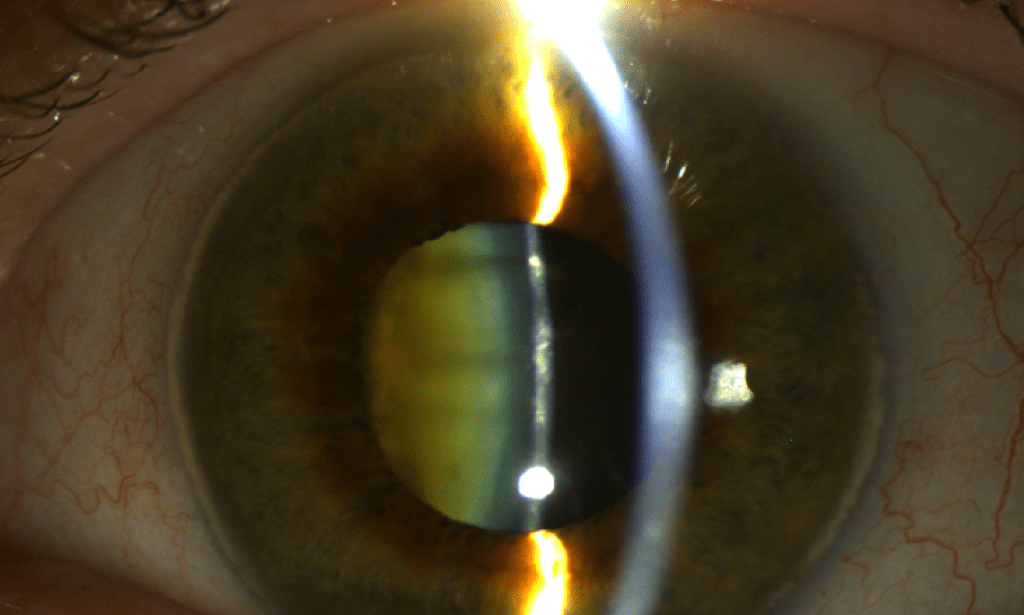
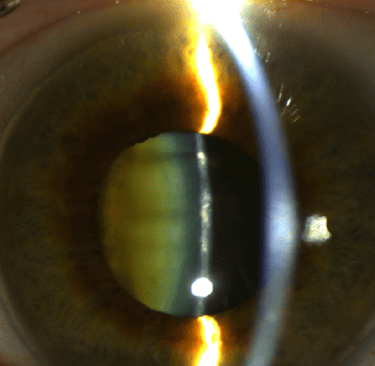
Cataracts occur when the normally clear lens inside the eye becomes cloudy. This clouding prevents light from passing through the lens properly, leading to blurred or dim vision. Cataracts develop gradually and are one of the most common causes of vision changes as people age, although they can occur for other reasons as well.
- A gradual loss of color vision.
- A stage where it is easier to see without glasses... a second sight.
Currently, there is no proven method to prevent cataracts from forming or to make the
cloudy lens clear after a cataract has developed. Your optometrist can prescribe changes in
your glasses or contact lenses to help you see more as your cataracts develop.
Ultimately, if your cataracts impair your daily activities, your Optometrist can refer you to
an eye surgeon who may recommend surgical removal of the cataract. Cataract surgery is
relatively uncomplicated and has a 95% success rate. When your eye’s natural lens is
removed during cataract surgery, an intraocular lens implant may need to be inserted
during surgery to achieve clear, comfortable vision. This implant will serve as a “new lens”.
Whether it’s contact lenses, glasses, or an intraocular lens implant to treat cataracts, regular
optometric follow up care is important in making sure you always maintain good vision and
eye health at all times.
Symptoms
Blurry, hazy, or foggy vision
Increased sensitivity to glare and bright lights
Halos around headlights or streetlights at night
Colors appearing faded or yellowed
Frequent changes in eyeglass or contact lens prescriptions
Difficulty reading in low-light conditions
Causes and Risk Factors
Cataracts are most often associated with aging, but several factors can increase risk:
Diabetes
Prolonged exposure to ultraviolet (UV) light
Eye injuries or previous eye surgery
Long-term use of steroid medications
Smoking
Family history of cataracts
Diagnosis and When to See a Doctor
Cataracts are diagnosed during a comprehensive eye examination. This typically includes a visual acuity test, a slit-lamp exam to evaluate the lens, and a dilated eye exam to assess the overall health of the eye.
You should schedule an eye exam if you notice persistent blur, glare while driving at night, or difficulty performing daily visual tasks.
Treatment and Management
In the early stages, stronger glasses, brighter lighting, and anti-glare lenses may help manage symptoms. When cataracts begin to interfere with daily life, cataract surgery is recommended. This procedure involves removing the cloudy lens and replacing it with a clear artificial lens.
Prevention and Outlook
While cataracts cannot always be prevented, protecting your eyes from UV light, maintaining healthy blood sugar levels, and not smoking can help reduce risk.
Summary and Next Steps
Cataracts are common and highly treatable. If you are experiencing vision changes, schedule a comprehensive eye exam to determine the cause and explore your treatment options.
This article is for educational purposes and does not replace a professional eye examination.