FREE SHIPPING ON ORDERS OVER $100
hello@theneighborhoodeyedoctor.com

What Are Floaters? Causes, Symptoms, and When to Seek Care
Learn what eye floaters are, why they occur, when they are harmless, and the warning signs that mean you should seek urgent eye care.
Dr.Ogechi Ukegbu
1/23/20262 min read
What Are Floaters? Causes, Symptoms, and When to Seek Care
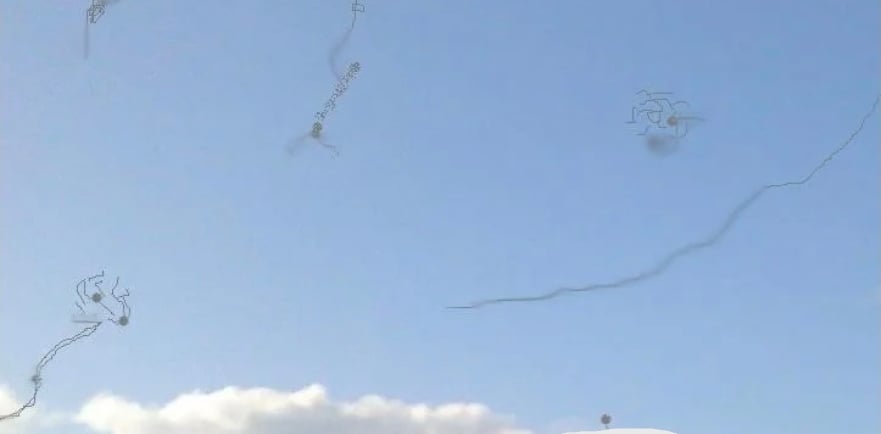
Floaters appear as small spots, threads, or shapes that drift across your field of vision. They are often harmless but can sometimes indicate a more serious condition.
FLOATER, FLASHES, & PVDs
One of the most common reasons that eye care specialists see patients is for new floaters in
their vision. What patients will notice are small specks floating around that many will
describe as seeing 'gnats'. The term 'muscae volitantes' which is Italian for flying gnats is
an old term used for floaters.
What exactly are these little floaters? When you are born, your eyes are filled with a clear
gel called vitreous. This gel is composed of collagen strands separated by a clear gel called
hyaluronic acid. As you age the vitreous gel begins to liquify and degenerate, causing the
hyaluronic acid to break down into liquid, thus separating it from the collagen framework.
The collagen breaks down into protein and fibers, which are seen as floaters. This
liquification of the vitreous is called a posterior vitreous detachment (PVD).
POSTERIOR VITREOUS DETACHMENT
PVD with traction on the retina causing light and the contraction of the vitreous ising
floaters.
Posterior Vitreous Detachment (PVD)
As the PVD occurs, the vitreous peels away from the posterior portion of the vitreous
towards the anterior of the eye (it is firmly attached at the front part of the retina).
RETINAL DETACHMENT (RD)
RD caused by contraction of the vitreous (PVD) on the retina. Instead of peeling off the
retina, the retina tears in a “horseshoe” shape, allowing fluid to detach the retina with vision
loss in the area of the RD. As the vitreous tugs on the retina, the actual mechanism of the tugging of the vitreous on the retina causes you to perceive flashes of light (the retina does not feel pain but can only
senses light). The strings and circles that you see are floaters (proteins and collagen fibers
within the vitreous). These changes in the vitreous are most commonly caused by simple
aging, but can also be caused by trauma, inflammation within the eye, or association with
near sightedness and other problems.The major difficulty with the development of flashes and floaters and the contraction of the vitreous (PVD) is the vitreous is very tightly adherent to the retina at one point. At the point of connection, if the vitreous contracts more than the retina can stand, it can cause a tear in the retina that can lead to a retinal detachment and subsequent loss of vision requiring surgery. Patients with flashes and floaters (especially new flashes/floaters) should promptly seek an eye examination to make sure they are in the vast majority of patients who have simple PVDs without any severe complications. In the absence of retinal tears and detachment these are totally benign and you will soon learn to ignore them.
Symptoms
Moving specks or threads in vision
Shadows that move when you move your eyes
Occasional flashes of light
Causes and Risk Factors
Floaters are commonly caused by age-related changes in the vitreous gel inside the eye. They can also result from inflammation or eye injury.
Diagnosis and When to See a Doctor
A dilated eye exam helps determine whether floaters are benign or related to a retinal issue.
Seek urgent care if you experience:
A sudden increase in floaters
Flashes of light
A curtain-like shadow in vision
Treatment and Management
Most floaters do not require treatment. Underlying conditions may require specialist care.
Summary and Next Steps
Sudden changes in floaters should never be ignored. Schedule an exam to ensure your eyes are healthy.