FREE SHIPPING ON ORDERS OVER $100
hello@theneighborhoodeyedoctor.com

What Is Blepharitis? Causes, Symptoms, Diagnosis, and Relief Strategies
Discover the causes of blepharitis, common eyelid symptoms, how it is diagnosed, and practical treatment strategies to relieve irritation and maintain healthy eyelids.
Dr.Ogechi Ukegbu
1/24/20262 min read
What Is Blepharitis? Causes, Symptoms, Diagnosis, and Relief Strategies
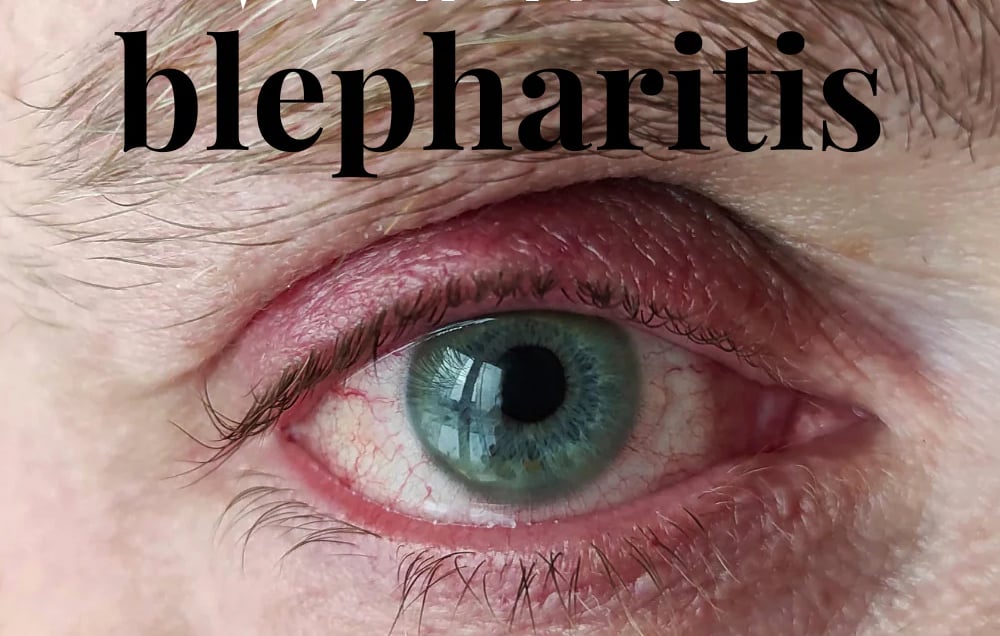
BLEPHARITIS
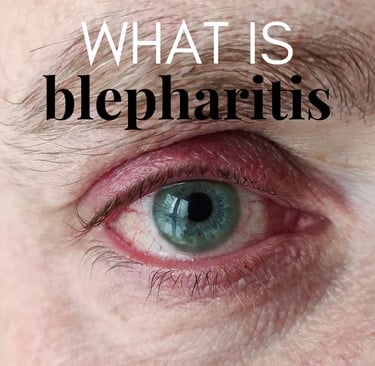
Blepharitis is a chronic inflammation of the eyelids and lash line. It can affect people of all ages and often presents as irritation, redness, and crusting along the eyelids. While it is not usually sight-threatening, it can be uncomfortable and persistent without proper care.
Among the most common causes of blepharitis are:
Poor eyelid hygiene
Excess oil produced by the glands of the eyelids.
Bacterial infection (open staphylococcal)
An allergic reaction
There are two ways in which blepharitis may appear. The most common and least severe,
seborrheic blepharitis is often associated with dandruff of the scalp or skin conditions like
acne. It usually appears as greasy flakes or scales around the base of the eyelashes and as a
mild redness of the eyelid.
Sometimes it may result in a roughness of the (normally smooth) tissue that lines the inside
of the eyelids; or chalazai, which are nodules on the eyelids (often painless and firm in
texture). Acute infections of the eyelids can result in stye.
Ulcerative blepharitis is a less common, but more severe condition that may be
characterized by matted hard crusts around the eyelashes, which when removed, leave
small sores that may bleed or ooze.
Symptoms
Itchy or irritated eyelids
Red or swollen lid margins
Burning or gritty sensation in the eyes
Crusting around the eyelashes, especially in the morning
Watery eyes or fluctuating blurry vision
Causes and Risk Factors
Blepharitis is commonly associated with:
Blocked oil glands in the eyelids
Bacterial buildup along the lash line
Skin conditions such as rosacea or seborrheic dermatitis
Dry eye disease
Diagnosis and When to See a Doctor
A comprehensive eye exam allows your optometrist to examine the eyelids, lashes, and tear film. If symptoms persist longer than one to two weeks or worsen, a professional evaluation is recommended.
Treatment and Management
Most cases improve with consistent eyelid hygiene, including:
Warm compresses to loosen oils and debris
Gentle lid cleaning using recommended wipes or cleansers
Artificial tears for dry eye symptoms
In more severe cases, prescription medications or in-office treatments may be recommended.
Prevention and Outlook
Maintaining daily eyelid hygiene can help prevent flare-ups. Managing underlying skin conditions and dry eye can also reduce recurrence.
Summary and Next Steps
Blepharitis is manageable with proper care and guidance. If irritation or redness persists, book an eye exam to confirm the diagnosis and create a treatment plan.